Dr Jen Jones – “My tips would be: always read your work out loud, don’t be precious about your words, and remember the edited piece will be better. It is hard getting rid of words, but it is usually worth it. Think of editing as polishing your script until it shines.”
Vanessa Wright – “In addition to reading a piece out loud, I have also started recording and listening back which I find also helps with rhythm and rhyme.”
Derek Niemann – “I would say distance yourself from the words written so that they become an object to be improved rather than part of your psyche to be preserved at all costs. That’s perhaps the closest you’ll get to having an objective eye on your own writing.”
Michael J. Warren – “I’d re-emphasise the need for reading aloud. For all sorts of reasons, artistic and practical. I discovered numerous errors and typos only through an audio run-through of my book which had been missed by myself, editor and copy-editor, plus various invited proof-readers. Vital step… I also advise that you take extra care reading through PDF passes from the typesetter. I discovered various erroneous letters, gaps and introduced paragraph breaks, plus duplicated text. Don’t assume that errors won’t be introduced at this stage through simple human error!”
And when I asked… Does the difference between ‘nice’ creative nature writing and ‘great’ creative nature writing come down to how much time and effort you invested in the editing process?
Dr Amy-Jane Beer – “Big yes to this Amanda! There may be the occasional glorious line that comes fully formed first time, but the rest is aaaall in the edit. I usually draft at least twice as many words as make the final form. The (painfully) inefficient graft is the craft, and the thing that distinguishes great nature writing from merely competent writing about nature.”
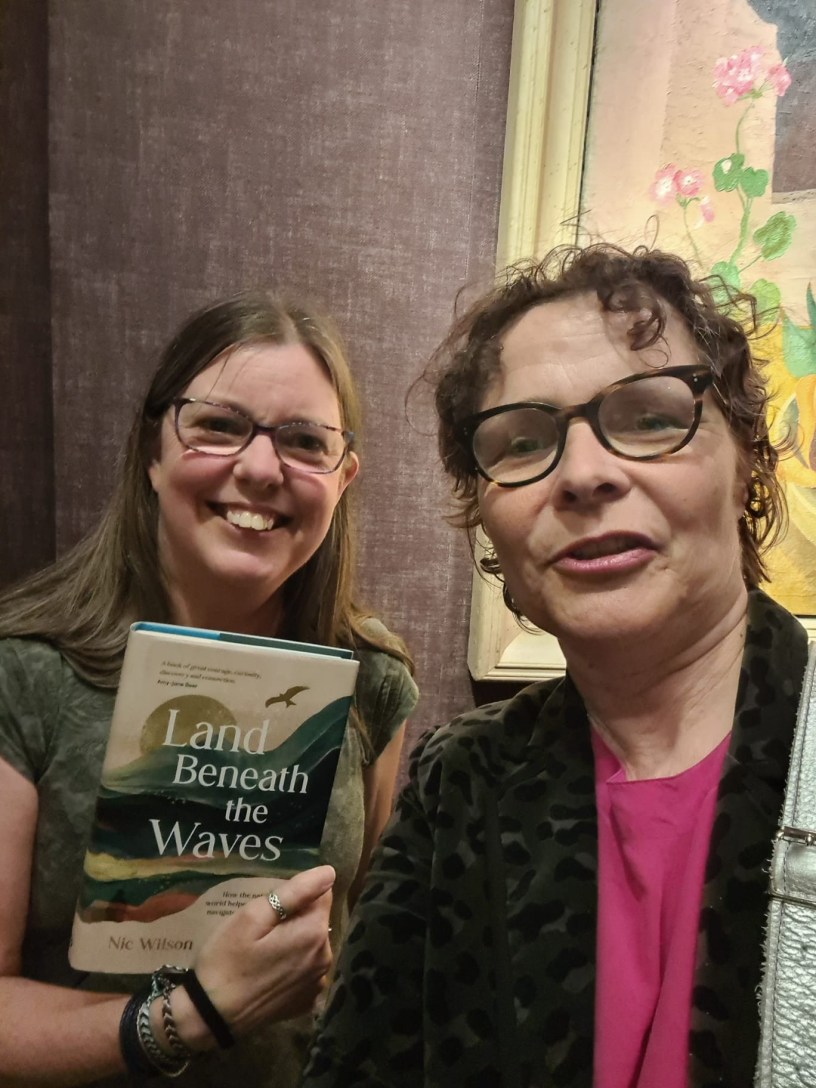
Nic Wilson (pictured)- “…It’s not too hard to throw words at the page, but taking away the chaff so what’s left behind shines (hopefully) is the majority of the craft and work I’d say, in my writing anyway.”
 Freelance Nature Writer